Sun That Never Sets vs. Days That Never Brighten: Which Iceland Season Is Actually Right for You?
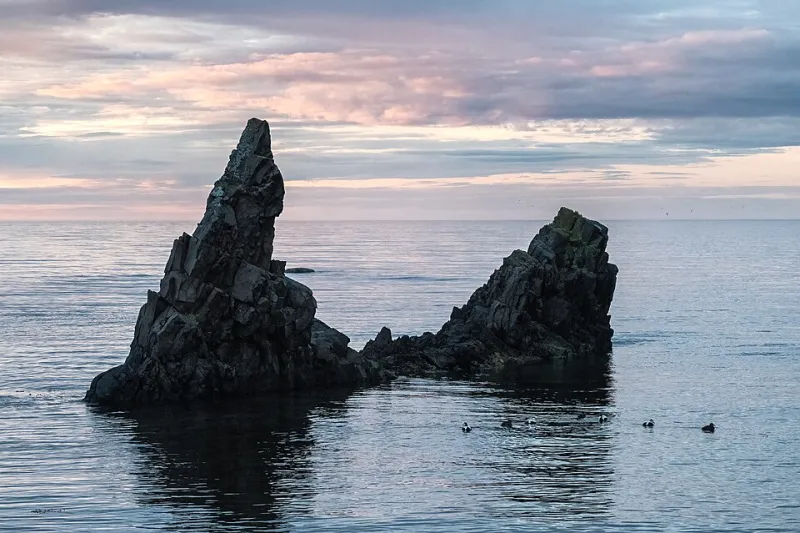
Photo: Eric Kilby, CC BY-SA 2.0, via Wikimedia Commons
Every few weeks, someone posts in a travel forum asking the same question: "What's the best time to visit Iceland?" The answers roll in — summer for hiking, winter for the Northern Lights, shoulder season for fewer crowds — and none of them are wrong, exactly. But none of them are complete, either.
Here's the thing: Iceland doesn't really have a "best" season. It has two radically different travel experiences stacked into the same calendar year, and which one is right for you depends entirely on the kind of traveler you are.
Let's actually break that down.
What the Midnight Sun Does to a Place
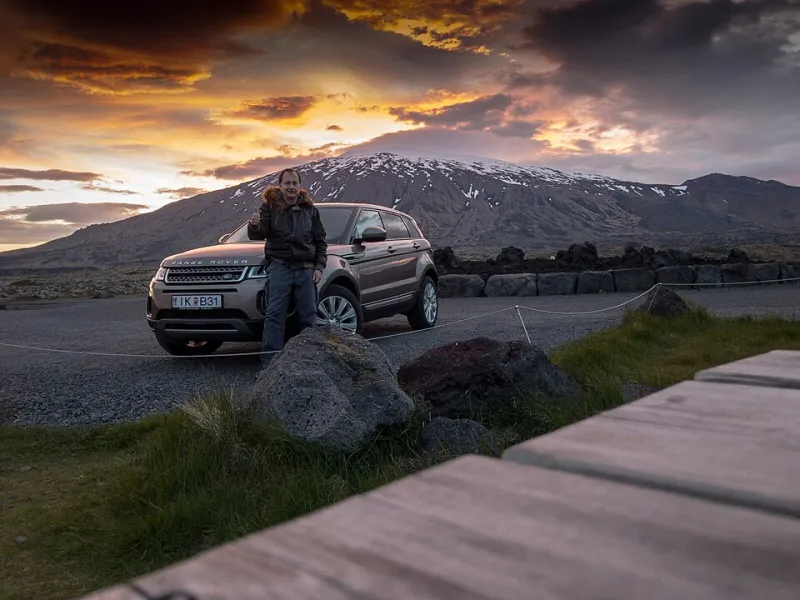
Around the summer solstice in late June, Reykjavik sees roughly 24 hours of daylight. The sun dips toward the horizon around midnight, turns everything gold and amber, and then just... climbs back up. It never fully sets. For a few weeks on either side of the solstice, you're operating in a world where darkness simply doesn't happen.
For adventure travelers, this is extraordinary. You can hike the Fimmvörðuháls trail — the ridge between two glaciers, passing the lava fields from the 2010 Eyjafjallajökull eruption — and still have full light at 11 PM. Highland roads open up in summer, giving access to places like Landmannalaugar and the Kjölur route that are buried under snow the rest of the year. Multi-day treks become genuinely different experiences when you never have to race the clock before dark.
Rafting, kayaking, cycling across the interior — all of it opens up in summer in a way that simply isn't possible in winter. Iceland's adventure tourism industry shifts into high gear from June through August, and for good reason.
But there's a flip side that travel content doesn't always mention.
The Catch With Constant Light
Sleep is a real challenge. Your body runs on light cues, and when those cues disappear, your internal clock gets confused fast. Experienced Iceland travelers bring blackout eye masks and earplugs. Plenty of accommodations have blackout curtains, but it's worth confirming before you book — waking up at 3 AM convinced it's noon is a genuinely disorienting experience.
Summer also brings crowds. Iceland's tourism has grown dramatically over the past decade, and the most popular spots on the Ring Road — Seljalandsfoss, Skógafoss, the Diamond Beach at Jökulsárlón — get busy. If you've dreamed of standing alone in front of a waterfall, June and July are the hardest months to make that happen.
And for photographers? The midnight sun is gorgeous, but it creates a very specific palette. Everything is warm, golden, and luminous — which is beautiful, but it's also consistent. You won't get the stark contrast and moody drama that Iceland's other seasons offer.
Polar Night: The Season People Underestimate
December in Iceland is a different world entirely. In Reykjavik, you get maybe four or five hours of actual daylight, and even that is soft, low, and oblique — more like a prolonged blue-hour than what most Americans would call "daytime." In the far north of the country, near Akureyri, the sun barely clears the horizon at all.
This sounds bleak. A lot of first-time visitors assume it will be. They're usually wrong.
That limited light does something remarkable to the landscape. Snow-covered mountains glow in shades of pink and lavender during the brief midday window. Frozen waterfalls catch the low sun at angles that make them look like they're lit from within. The entire country takes on a quality that's almost theatrical — every hour of light feels deliberate and precious in a way that summer's endless brightness simply can't replicate.
For adventure travelers willing to adapt, winter has its own lineup. Ice cave tours inside Vatnajökull glacier are only accessible from November through March — the caves are too unstable in warmer months. Snowmobiling across glacier surfaces, dog sledding in the north, and super jeep expeditions across frozen highland roads are all winter-specific experiences.
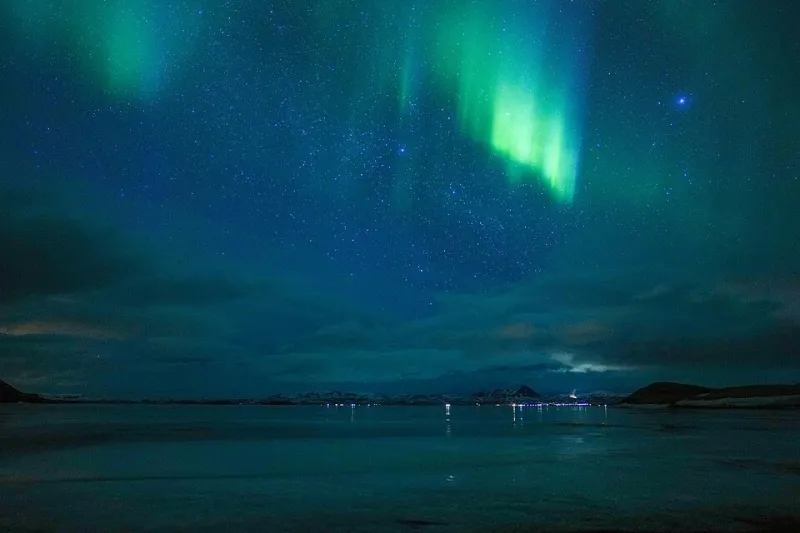
And then there's the obvious draw: the Northern Lights. You can't chase the aurora in summer. If that's on your list, winter is when it happens.
Who Should Go in Summer
Be honest with yourself here. If your vision of Iceland involves covering serious ground — hiking long trails, exploring the highlands, kayaking fjords, or cycling the Ring Road — summer is your season. The access, the weather windows, and the daylight hours all work in your favor.
Summer is also better if you're traveling with kids or people who struggle with cold. Iceland in February is genuinely harsh, and while the landscapes are stunning, keeping a group comfortable requires more planning and gear than a lot of casual travelers expect.
For photographers who want rich color and long golden hours to work with, the midnight sun period is genuinely hard to beat. That low-angle light at 11 PM or 1 AM creates conditions that most landscape photographers only dream about.
Who Should Go in Winter
If you're after solitude, winter delivers it. Tourist volumes drop significantly from November through February, and even well-known spots can feel quiet in ways that are impossible in peak season.
If the Northern Lights are your primary goal, you need darkness — full stop. Plan for at least five or six nights to account for cloud cover and slow solar activity.
If you're a photographer drawn to dramatic, moody conditions rather than warm golden light, winter's blue-hour landscape is something genuinely special. The quality of light during those few midday hours has an ethereal quality that's almost impossible to replicate anywhere else.
And if you're the type of traveler who finds meaning in a place that feels a little challenging, a little raw — winter Iceland delivers that in a way summer simply doesn't.
The Honest Answer
There's no universal "best time." Anyone who tells you otherwise is selling you a listicle, not a real recommendation.
The better question is: what kind of experience do you want to come home with? Long-light adventure and access to every corner of the island? Go in summer. Stark beauty, aurora skies, and ice caves with almost no one else around? Go in winter.
Iceland is one of those rare places that genuinely rewards repeat visits. Most people who go once end up going back — and more often than not, they come back in the opposite season, just to see what they missed.