How Iceland's Wildest Places Turn Nervous Visitors Into Sharper, Braver Photographers
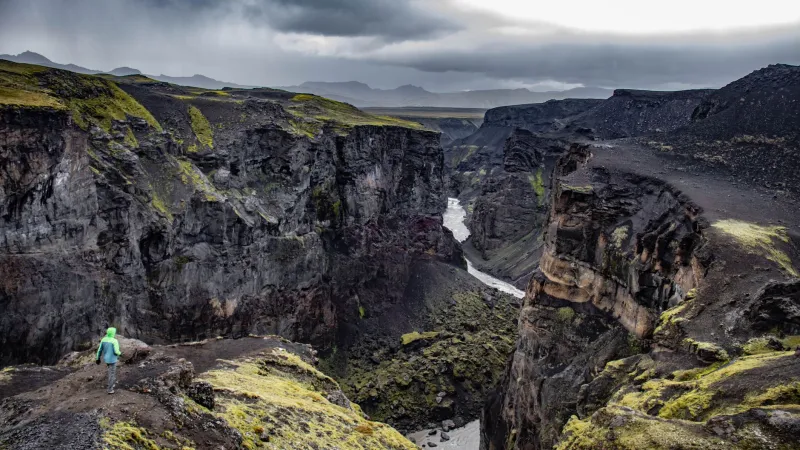
There's a moment that almost every photographer experiences somewhere along Iceland's lava fields or black sand coastlines. You've just made a decision — maybe you stepped back from an unstable edge, or you chose not to cross a glacial stream that looked manageable but felt wrong — and the adrenaline settles into something quieter. Something that feels surprisingly like clarity.
That's the Iceland paradox. The places here that look most threatening on paper — the active volcanic zones, the sneaker waves at Reynisfjara, the fissured ice on a moving glacier — end up producing a particular kind of photographer. Careful. Present. Humble. And honestly? More creatively alive than they've ever been.
When the Terrain Demands Your Full Attention
Most of us learned photography somewhere forgiving. A national park with well-marked trails. A city rooftop with a safety railing. A beach where the worst thing that happens is wet shoes. Those environments let you operate on autopilot — camera up, compose, shoot, repeat. Iceland doesn't do that.
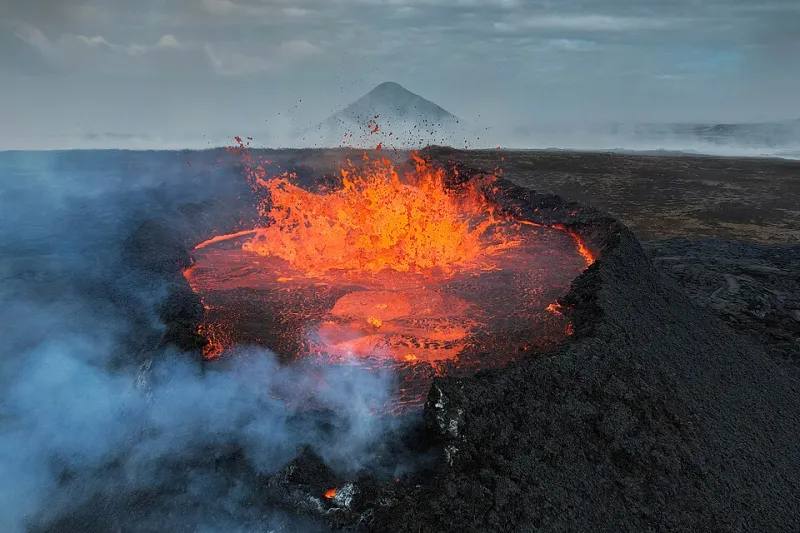
When you're picking your way across a lava field near Fagradalsfjall, where the ground shifts from solid to hollow in a single step, your brain can't drift. When you're shooting sea stacks at Reynisfjara and the beach safety signs aren't just decoration, you stay alert in a way that's almost meditative. The landscape forces you into the present tense.
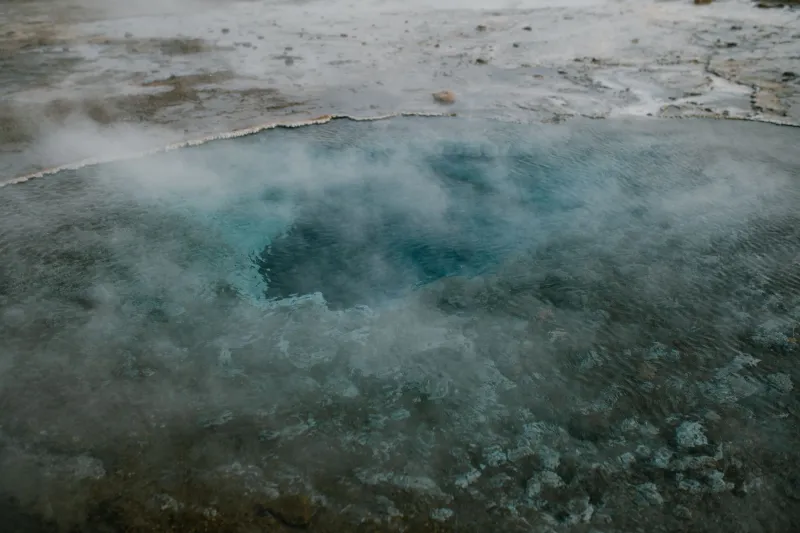
And here's the thing about being fully present: it makes you a dramatically better observer. You start noticing details you'd normally scroll past — the way steam rises from a hidden vent, the specific color shift in the sky before weather moves in, the texture of basalt columns that no Instagram preset can replicate. Danger, it turns out, is a remarkable cure for creative laziness.
Risk Awareness Is Just Another Word for Intentionality
Photographers who've spent time in genuinely volatile environments often describe a shift in how they approach every shot. It's not just about physical safety — it's about decision-making as a whole. When the stakes of a bad call are real, you stop making thoughtless choices. You assess. You plan. You ask yourself whether what you're about to do actually serves the image, or whether you're just chasing a reflex.
In Iceland, that habit bleeds into your creative process in ways you don't expect. Suddenly you're not just firing off 400 frames hoping one works. You're thinking before you lift the camera. You're asking what story this angle tells, whether this light is worth waiting for, whether moving ten feet to the left changes everything. Risk awareness and creative intentionality turn out to be the same muscle, just exercised in different directions.
Talk to any guide who leads photography tours across Iceland's highlands or ice caves, and they'll tell you the same thing: the guests who arrive a little nervous, who take the terrain seriously from the start, almost always leave with the strongest images. Not because they played it safe — but because they learned to make deliberate choices.
Humility Is the Skill Nobody Puts on Their Gear List
Iceland has a way of humbling you fast, and that's not a complaint. It's one of the most valuable things the country offers.
When you're standing at the edge of Vatnajökull, Europe's largest glacier, and you realize that the ice beneath you is actively moving, calving, reshaping — you feel genuinely small. When a storm rolls in off the North Atlantic in under twenty minutes and turns your carefully scouted location into a sideways blizzard, you stop believing you're in control of the shoot. And letting go of that illusion? That's where real creative freedom starts.
American photographers especially — raised on a culture that rewards boldness and "getting the shot" at any cost — often arrive in Iceland with a certain aggressive energy. The landscape dismantles that pretty quickly. Not cruelly, but completely. What replaces it is something more sustainable: a willingness to listen, to wait, to accept that the best frame might not be the one you planned for.
That humility follows you home. Photographers who've shot in Iceland's most demanding conditions consistently report that their work back in the States changes. They're less precious about their preconceived ideas. They're more willing to abandon a shot that isn't working. They've learned, at a cellular level, that the environment is always smarter than the plan.
The Confidence That Comes From Getting It Right Under Pressure
Here's the flip side of all that humility: when you do make the right call in a genuinely high-stakes situation, the confidence you earn is real. Not the Instagram-likes kind of confidence. The kind that comes from trusting your own judgment when it actually mattered.
Maybe you read the weather correctly and positioned yourself for a break in the clouds over Skógafoss that lasted exactly four minutes. Maybe you held back from a shot that would've required crossing unstable terrain, found a safer angle, and ended up with something better anyway. Those decisions build a kind of creative self-trust that comfortable shoots simply can't manufacture.
It's similar to what backcountry hikers describe after their first serious multi-day route, or what surfers talk about after paddling out in conditions that scared them. The experience recalibrates your baseline. What felt overwhelming becomes manageable. What felt risky becomes readable.
Shooting Iceland's Edge, Responsibly
None of this is an argument for ignoring safety. Iceland's emergency services handle hundreds of rescues every year involving travelers who underestimated the terrain — and the country's conditions can shift from manageable to genuinely life-threatening faster than most people from the lower 48 have ever experienced.
The point isn't to court danger. It's to engage with the environment honestly and with respect. That means checking the Veður (Icelandic Met Office) forecasts before heading into the highlands. It means following coastal warning signs — Reynisfjara's sneaker waves have claimed lives, full stop. It means traveling with someone who knows the terrain when you're venturing into remote areas, and letting your accommodation know your plans.
When you approach Iceland's wildest places with that kind of respect — not fear, but genuine, informed respect — something interesting happens. The landscape opens up. You start seeing it as a partner rather than a backdrop. And that shift, more than any gear upgrade or technique workshop, is what separates forgettable travel photos from images that actually say something.
What Iceland Teaches That No Studio Can
There are things you can learn from tutorials, from workshops, from dissecting other photographers' work frame by frame. And then there are things you can only learn from standing in a place that doesn't care whether you get the shot.
Iceland is that place. Its volatility isn't a bug — it's the whole curriculum. The fire and ice and impossible light aren't just photogenic. They're instructive. They demand something from you that safer destinations never will, and in return, they give you something that doesn't wash off when you get back to the airport.
You leave sharper. More deliberate. More honest about what you can and can't control. And if you paid attention out there — really paid attention — you leave with images that reflect all of that.
That's the paradox. Iceland's most dangerous landscapes don't just survive you. They improve you.